-
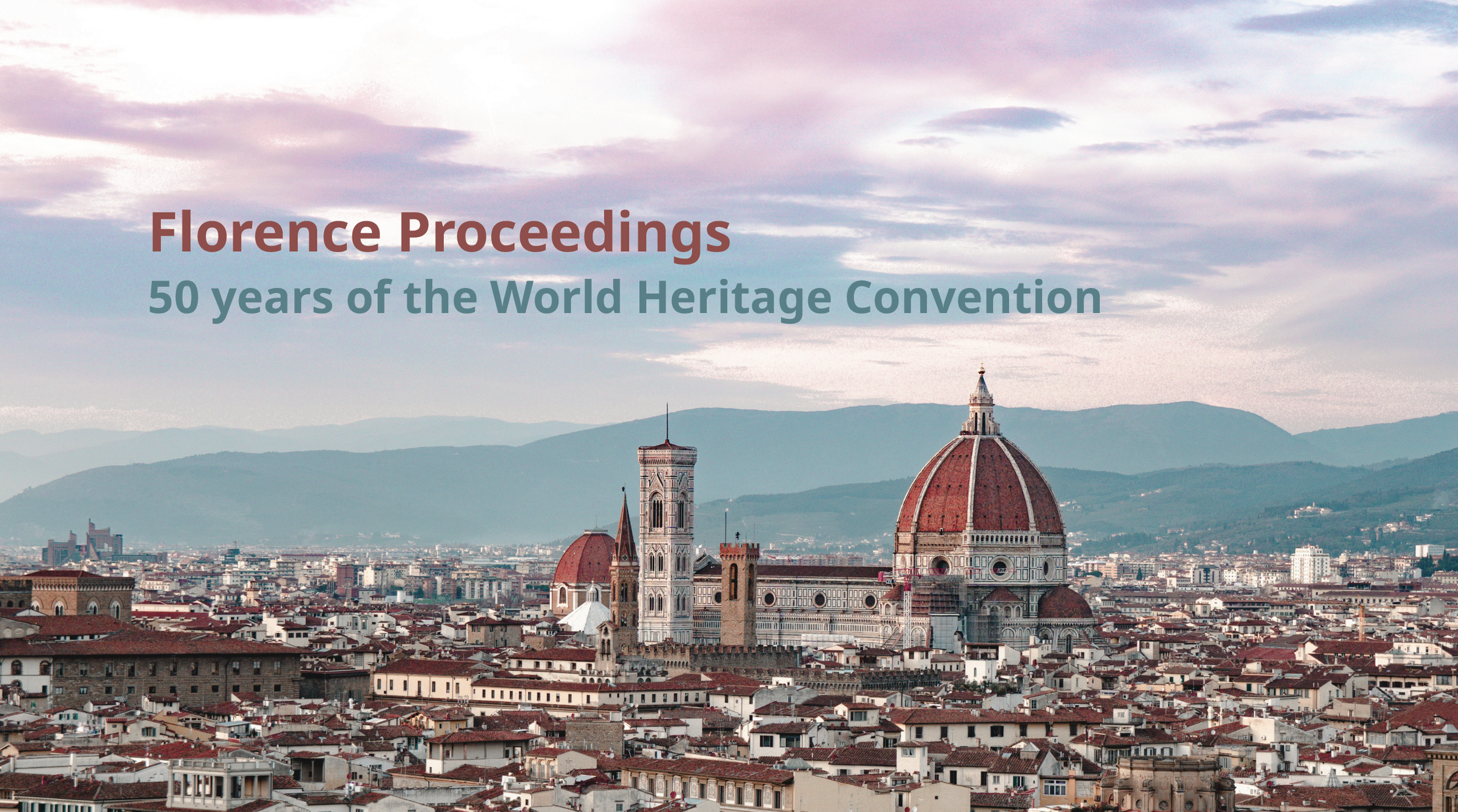
Reflections from Florence: World Heritage at a Turning Point — Governance, Civil Society, and the Next 50 Years
-
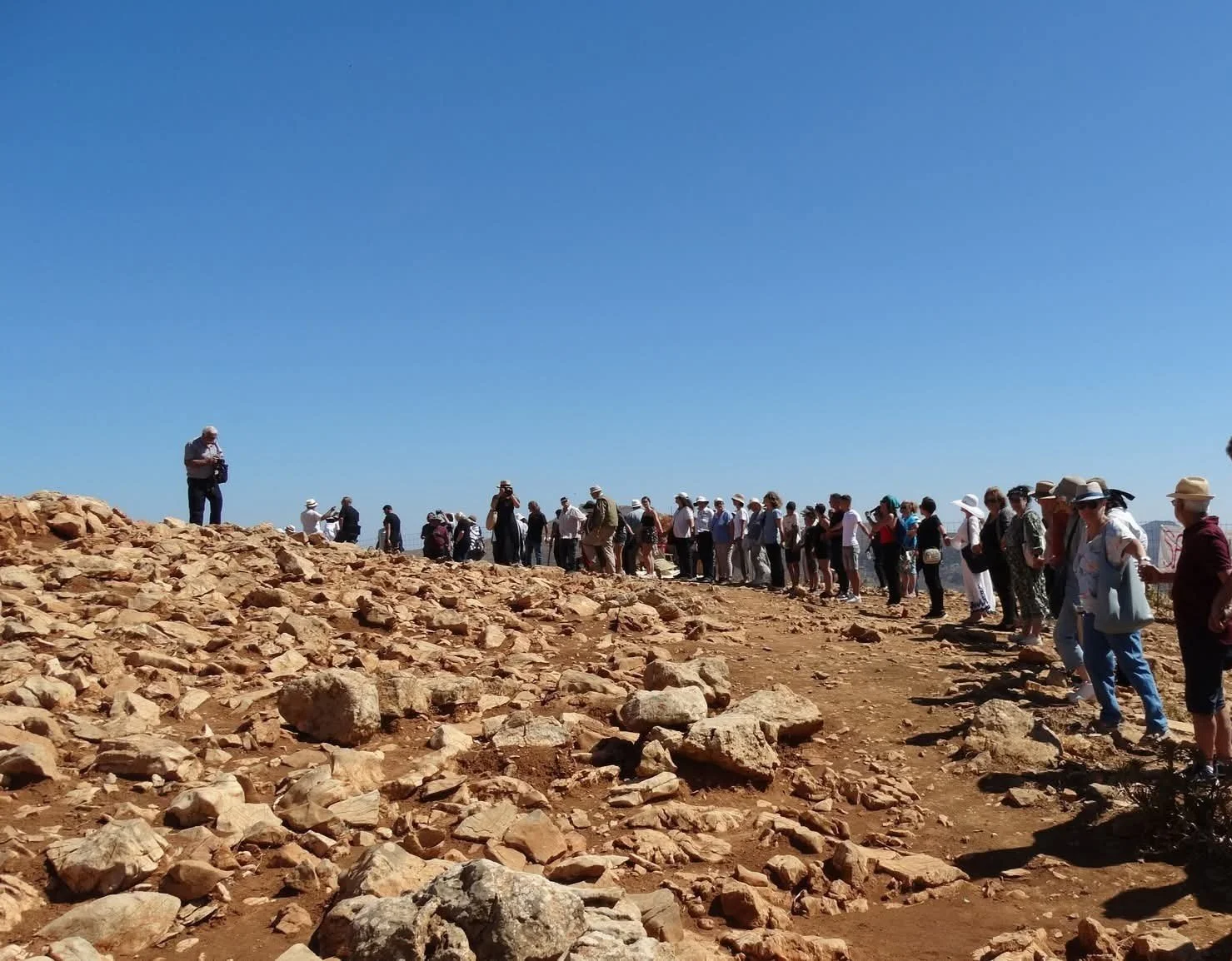
International Support Needed: Save Papoura Hill Archaeological Monument and Landscape
-
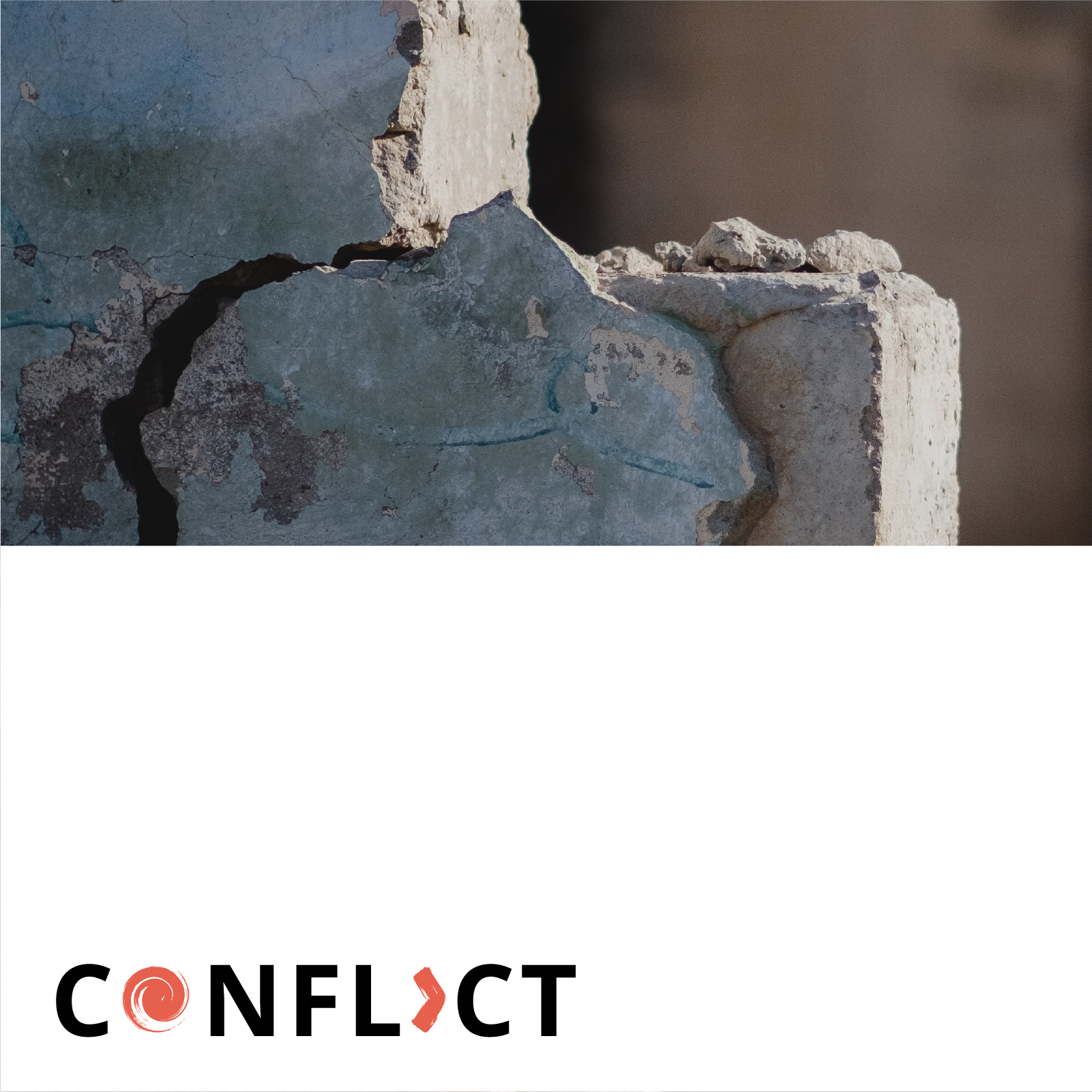
Make it official! World Heritage guidelines for sites of recent conflicts
-
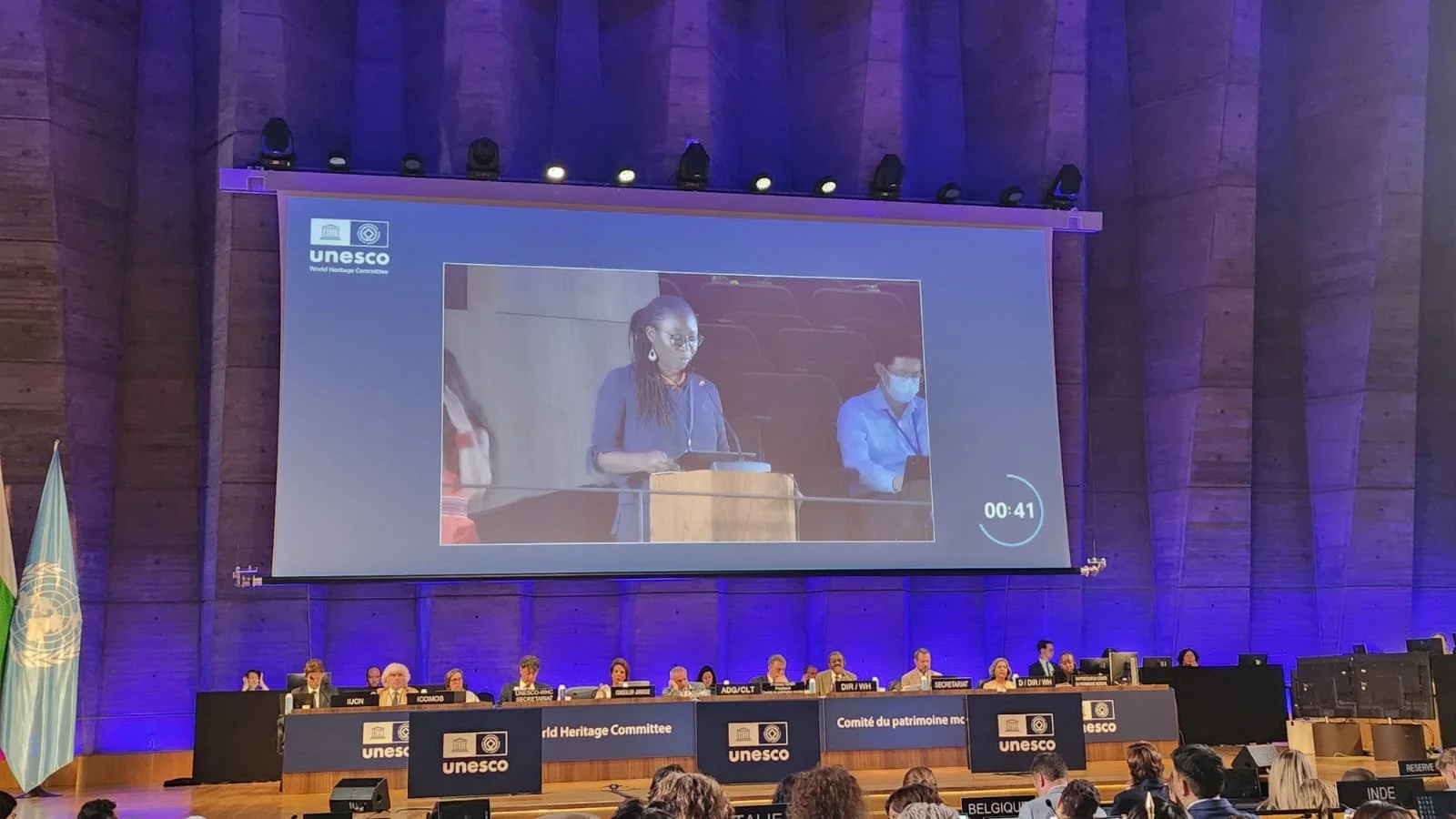
OWH statement at the 47th UNESCO World Heritage Committee
OTHER ANNOUNCEMENTS
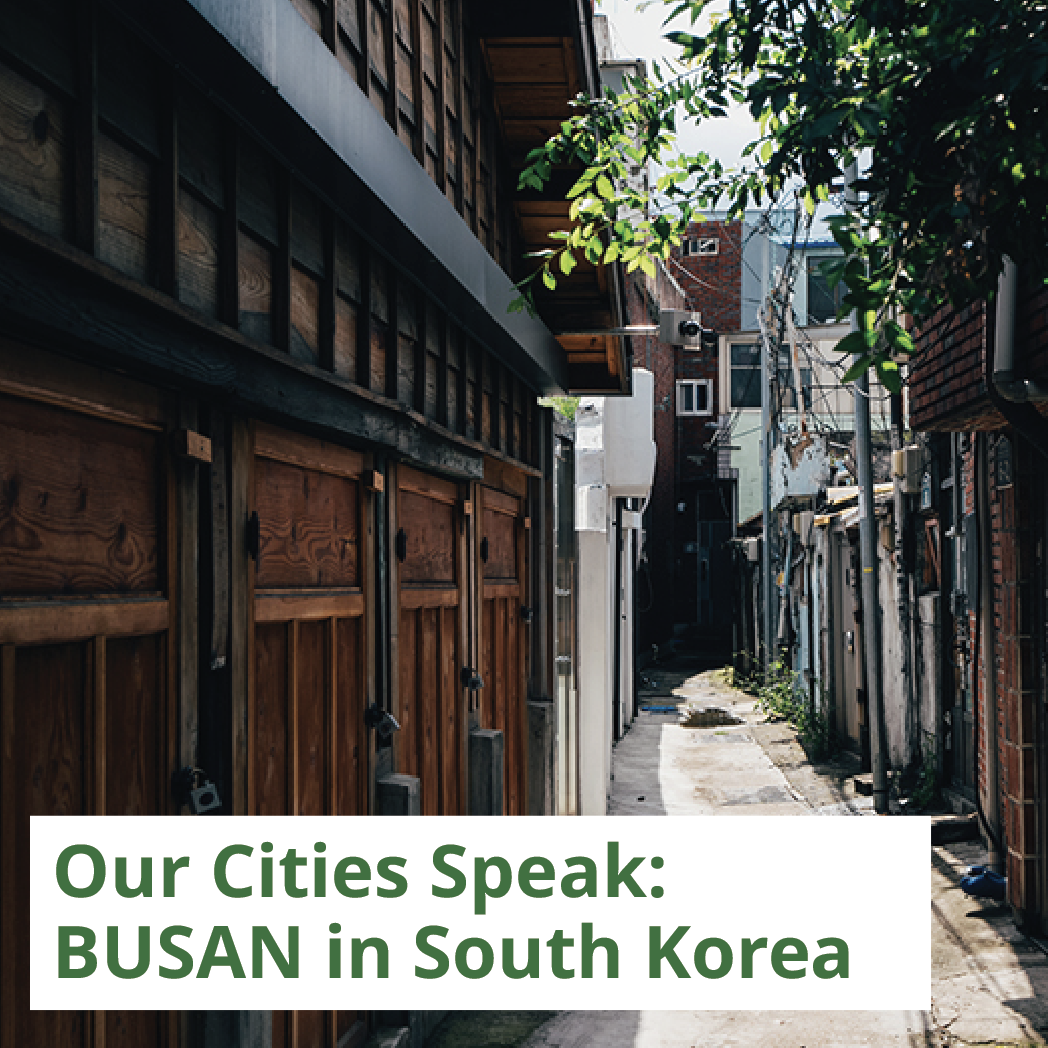
As part of the Indian Historic Cities Series 2025, Our Cities Speak featured a keynote on Busan, South Korea, examining how civil society participates in heritage-making and World Heritage nomination processes. The lecture highlights why community involvement is critical to shaping credible narratives and sustaining long-term heritage protection.
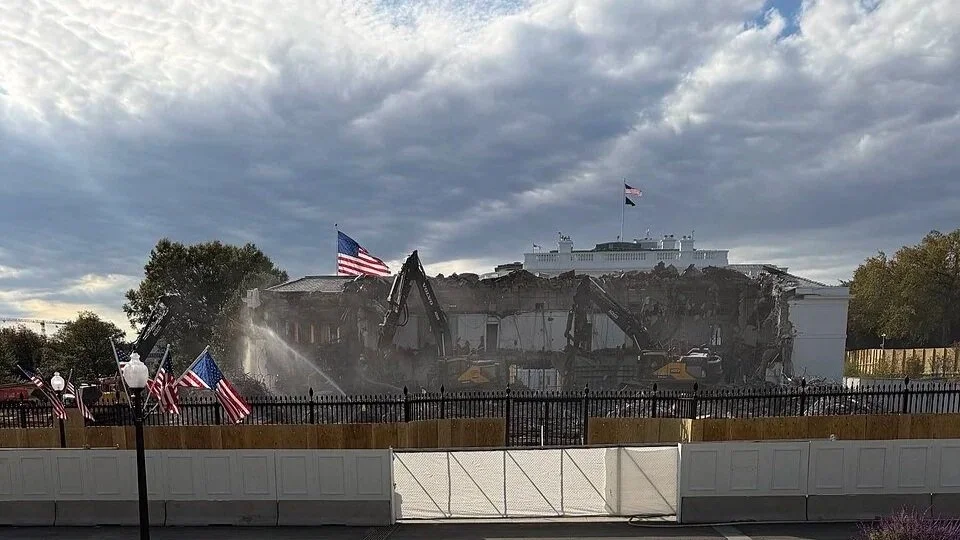
The U.S.A. is engaged in a heated debate over the demolition of the White House East Wing to make way for a new federal ballroom. Critics argue that tearing down this historic structure erases an important part of America’s heritage, while supporters claim the project will modernize the presidential complex.
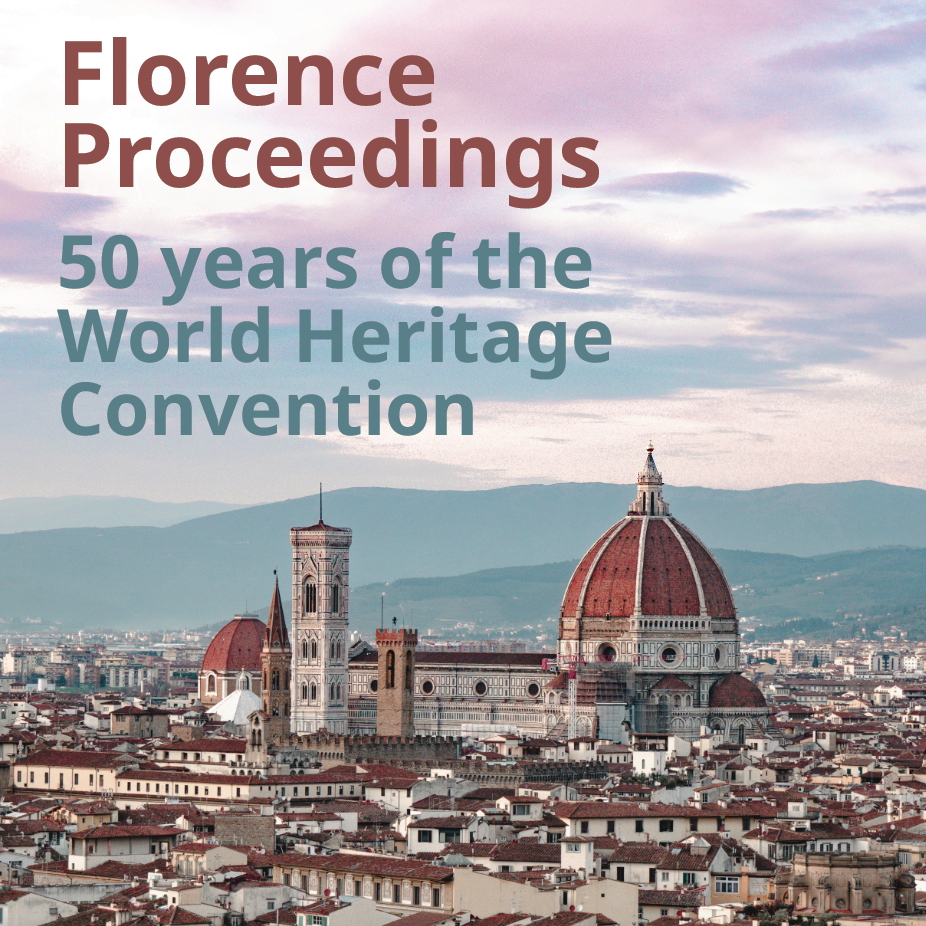
Proceedings of a public event held in Florence in November 2022, bringing together local authorities, civil society, and heritage experts to reflect on governance, community engagement, and challenges facing the World Heritage Convention.
People travel great distances to experience historic places—while enjoying the comforts that make a true holiday. And in turn, countless livelihoods depend on tourism. But what happens when tourism begins to reshape the very values and history of a place? What if it goes so far that it affects the core of its being?
In 2023, Future for Religious Heritage (FRH) established the Young Professionals and Researchers Working Group (YPWG) to give emerging experts a stronger voice and better opportunities. Meetalie Gupta, one of the YPWG members, reflects on what the group has accomplished so far and where it is heading next.
The conference “A Future for Whose Past?” at Monte Verità explored how World Heritage can better represent minorities, communities, and overlooked groups. Organized by ETH Zurich, EPFL, ICOMOS Switzerland, and partners, it called for more inclusive heritage policies, community consultation, and recognition of diverse identities in global conservation practices.
Following the adoption of UNESCO’s 2023 Policy Document on Climate Action for World Heritage, German experts, site managers, and institutional partners explored concrete actions for safeguarding cultural and natural World Heritage in the face of the climate crisis.
Amid the construction of yet another airport in central Crete, a large and unique archaeological site was uncovered at the very top of Papoura Hill, in Pediada region. Now, the Citizens’ Committee for the Protection of Papoura is fighting to preserve both the monument and the centuries-long relationship between people and their lands.
PUBLICATIONS
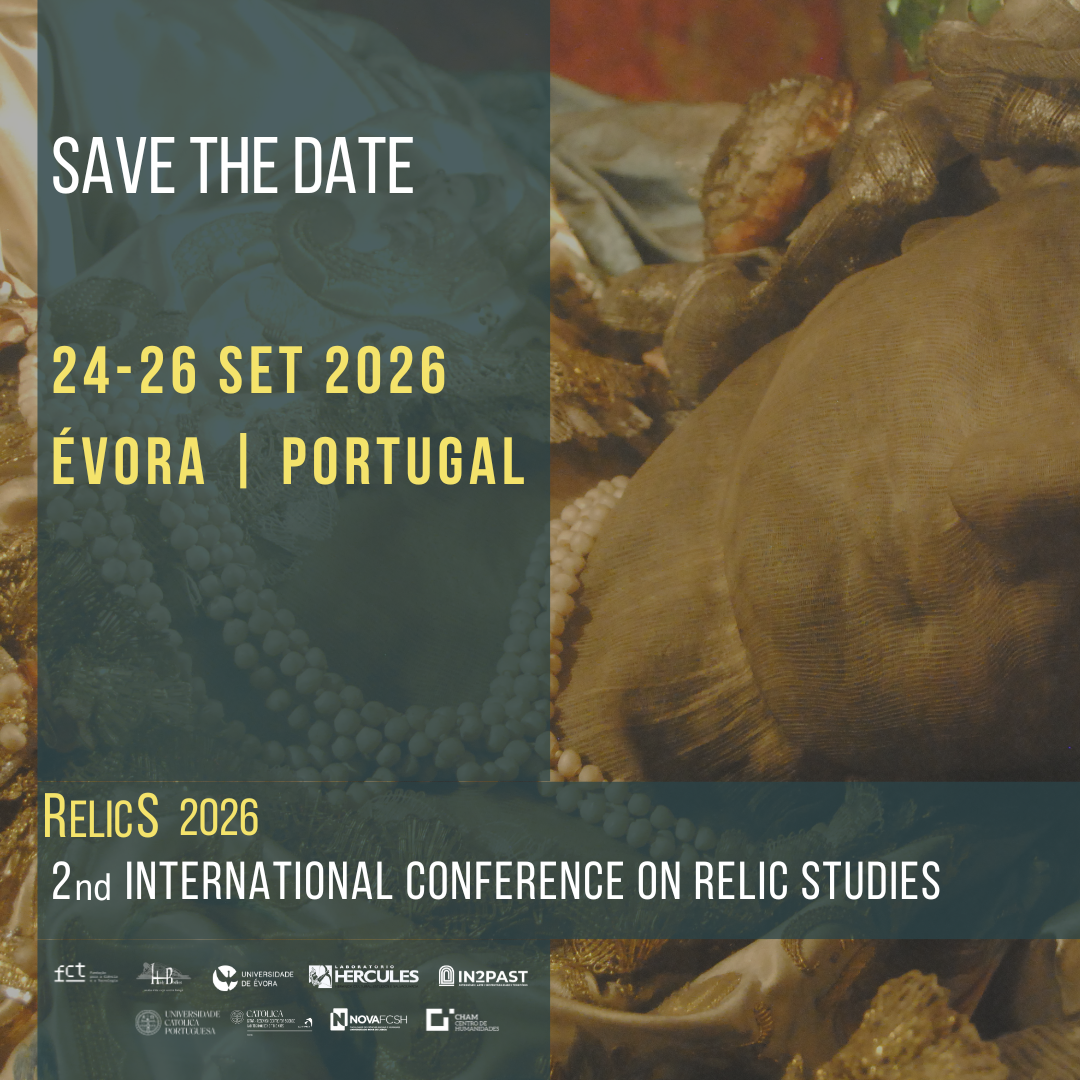
The 2nd International Conference of RelicS Studies will take place from 24 to 26 September 2026 at the University of Évora, Portugal, within the framework of the research project Holy Bodies.
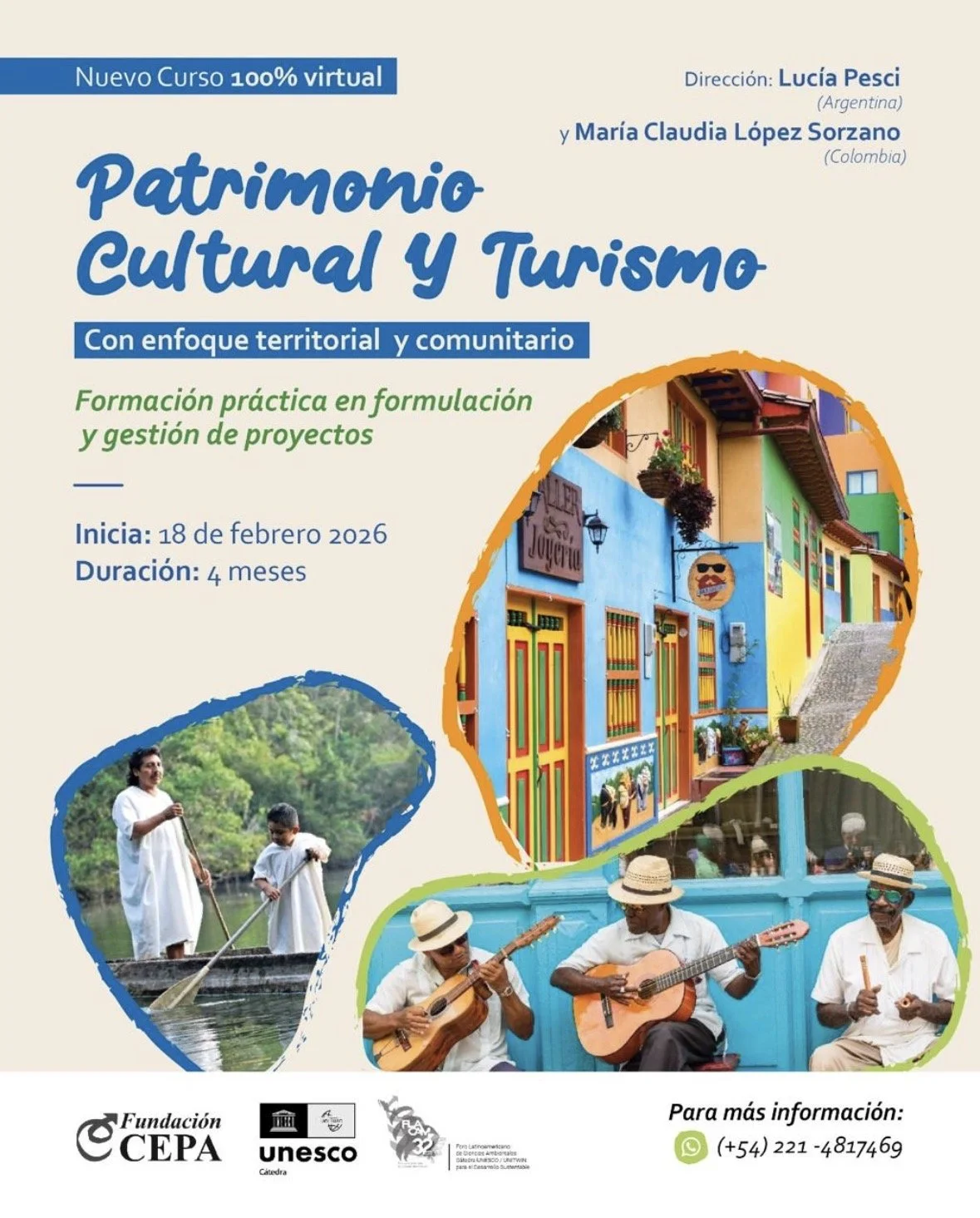
Cultural Heritage, Tourism, and Territory is an international online course taught in Spanish, focused on the design and management of projects with territorial impact. The course is organised by FLACAM and Fundación CEPA.
Athabasca University and Parks Canada developed a 14 weeks course on World Heritage Resource Management starting in January. The course explores the fundamental concepts and procedures used to identify, protect, and conserve World Heritage sites.
George Town World Heritage Incorporated (GTWHI) advertises an Intensive and Pragmatic internship training on World Heritage Site Management for graduate program students or recent holder.
Harnessing Horses is a new open-access book that explores human–horse relationships across time and place, closed by a chapter that calls to recognise traditional horse breeds as living cultural heritage.
How has the expanded concept of authenticity in the Nara Document on Authenticity (1994) shaped conservation and restoration worldwide?
Moving African Landscapes Vol. 1 is a pioneering interdisciplinary exploration of African landscapes as lived, remembered, and imagined spaces, edited by Tokie Laotan-Brown.
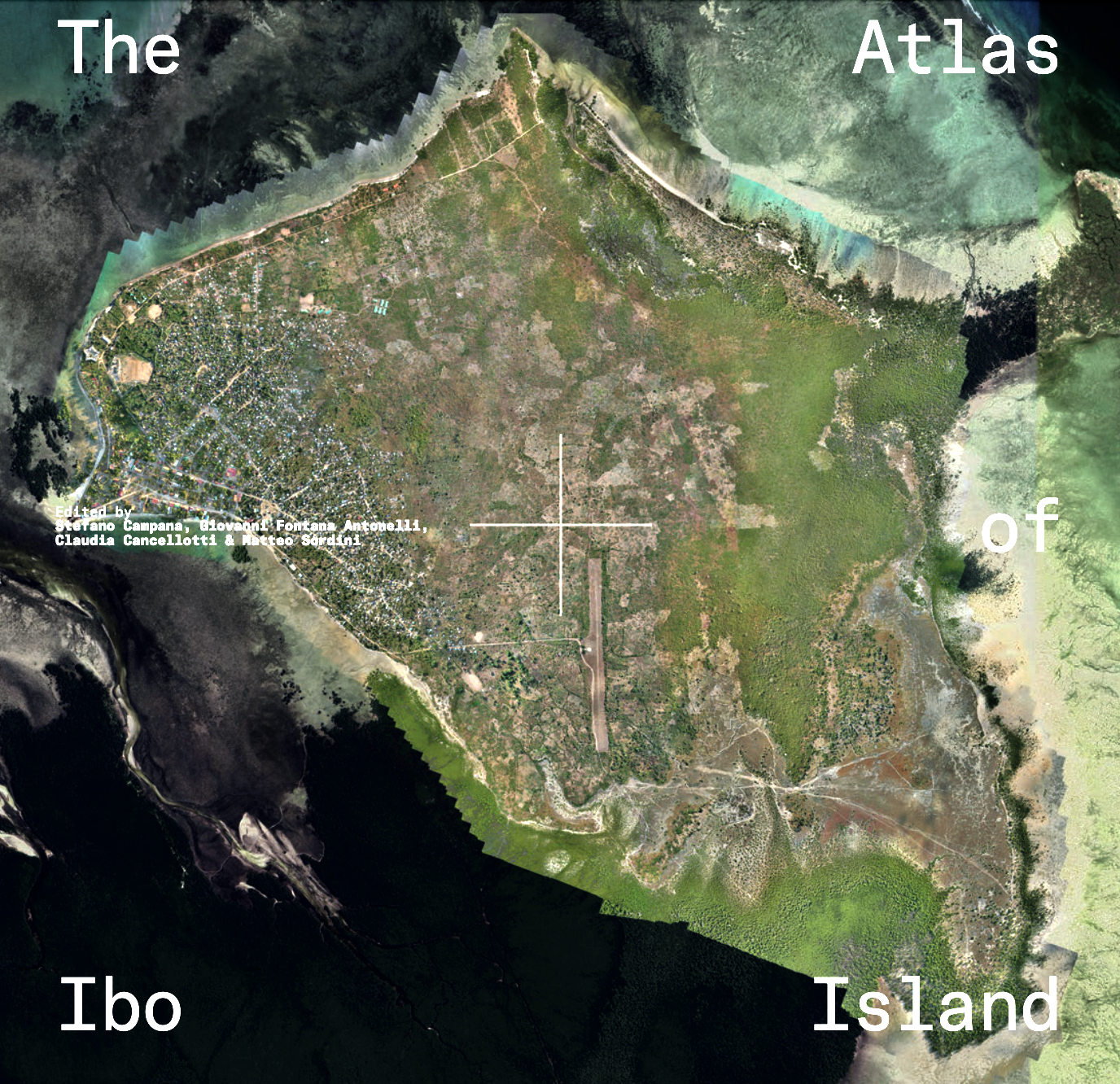
The Atlas of Ibo Island, in the Quirimbas Archipelago in northern Mozambique, is the result of a project focused on protecting the island’s cultural and natural heritage, which is threatened by climate change and displacement caused by armed conflicts in the region.
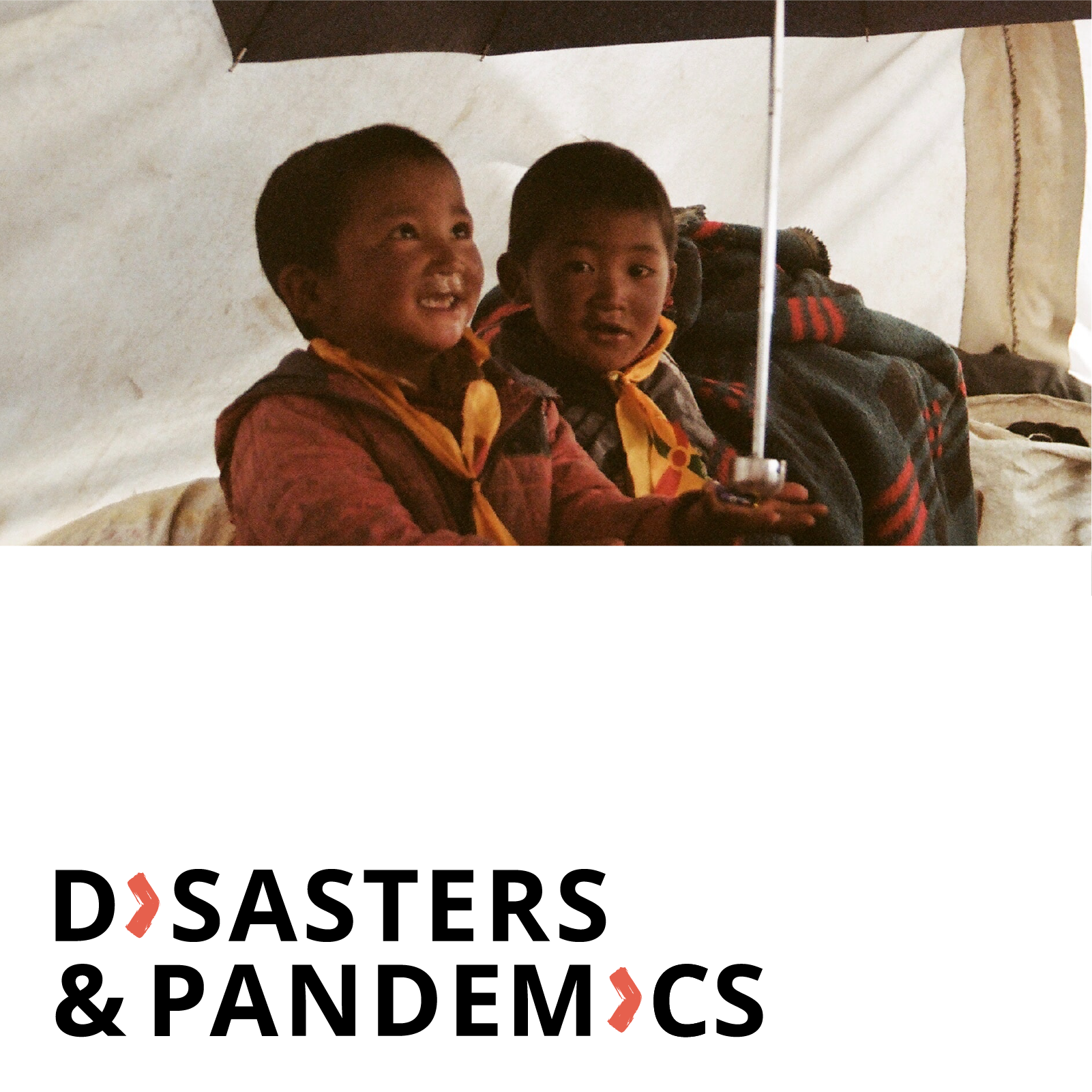
Heritage communities worldwide face pressures from e.g. development, climate change, and conflict — and many remain unheard. OurWorldHeritage helps bring their stories to global attention, where visibility can make a real difference.
If you can share a story, even a short update or photo is enough. It doesn't need to be perfect, and we will help.
Your stories help us advocate on global platforms for the systematic inclusion of community voices in international heritage discussions, such as:
→ OWH Statement at the 47th World Heritage Committee
The 2nd International Conference of RelicS Studies will take place from 24 to 26 September 2026 at the University of Évora, Portugal, within the framework of the research project Holy Bodies.
Cultural Heritage, Tourism, and Territory is an international online course taught in Spanish, focused on the design and management of projects with territorial impact. The course is organised by FLACAM and Fundación CEPA.
Athabasca University and Parks Canada developed a 14 weeks course on World Heritage Resource Management starting in January. The course explores the fundamental concepts and procedures used to identify, protect, and conserve World Heritage sites.
Harnessing Horses is a new open-access book that explores human–horse relationships across time and place, closed by a chapter that calls to recognise traditional horse breeds as living cultural heritage.
George Town World Heritage Incorporated (GTWHI) advertises an Intensive and Pragmatic internship training on World Heritage Site Management for graduate program students or recent holder.
How has the expanded concept of authenticity in the Nara Document on Authenticity (1994) shaped conservation and restoration worldwide?
Moving African Landscapes Vol. 1 is a pioneering interdisciplinary exploration of African landscapes as lived, remembered, and imagined spaces, edited by Tokie Laotan-Brown.
The Atlas of Ibo Island, in the Quirimbas Archipelago in northern Mozambique, is the result of a project focused on protecting the island’s cultural and natural heritage, which is threatened by climate change and displacement caused by armed conflicts in the region.
#2021DEBATE